The Stages of Periodontitis: Understanding the Progression
June 5, 2024
Periodontitis is an advanced form of gum disease caused by a bacterial infection of the soft tissues surrounding the teeth. It can affect anyone with poor oral hygiene who fails to brush and floss regularly and can lead to tooth loss if left untreated. It affects more than 47% of U.S. adults over the age of 30, and 70% of adults aged 65 and older.
A family history of gum disease can increase the likelihood of developing periodontitis. Other risk factors include smoking, diabetes, hormonal changes due to pregnancy or birth control pills, and health conditions associated with inflammation, such as arthritis and cardiovascular disease.
Stages of Periodontitis
Periodontitis is a progressive disease that becomes more severe when left untreated. It progresses through four stages:
- Gingivitis: The earliest stage of the disease, characterized by red, swollen gums. Other symptoms include bleeding gums—especially when brushing—and sensitivity to hot or cold foods. At this stage, tooth loss is not a risk, and gingivitis can be reversed with proper oral care and regular cleanings with your dentist.
- Mild Periodontitis: If gingivitis is ignored, it progresses into mild periodontitis. The gums begin to pull away from the teeth, forming periodontal pockets that trap plaque, tartar, and bacteria—issues that cannot be cleaned with regular brushing or flossing.
- Moderate Periodontitis: Bone loss around the teeth becomes more significant, and bacteria continue to damage the soft tissue supporting your teeth. Mild pain, sore gums, and tenderness are common. Dentists identify moderate periodontitis by measuring the depth of the pockets around the teeth.
- Severe Periodontitis: Teeth may begin to loosen or fall out. Bleeding gums are frequent, and infections along the gumline can lead to other oral health problems like bad breath (halitosis). Severe periodontitis can also impact your overall health, as bacteria may enter the bloodstream, increasing the risk of heart disease, stroke, and other serious health complications.
Symptoms of Periodontitis
Periodontitis is often ignored despite clear warning signs. Healthy gums fit tightly around each tooth and are firm to the touch—so any deviation from this should be addressed by your dentist.
- Red or purple gums instead of healthy pink
- Swollen or tender gums
- Gums that bleed easily
- Bad breath
- Visible infection around the gumline
- Loose teeth or tooth loss
- Gum recession
- Painful chewing
- New spaces between teeth
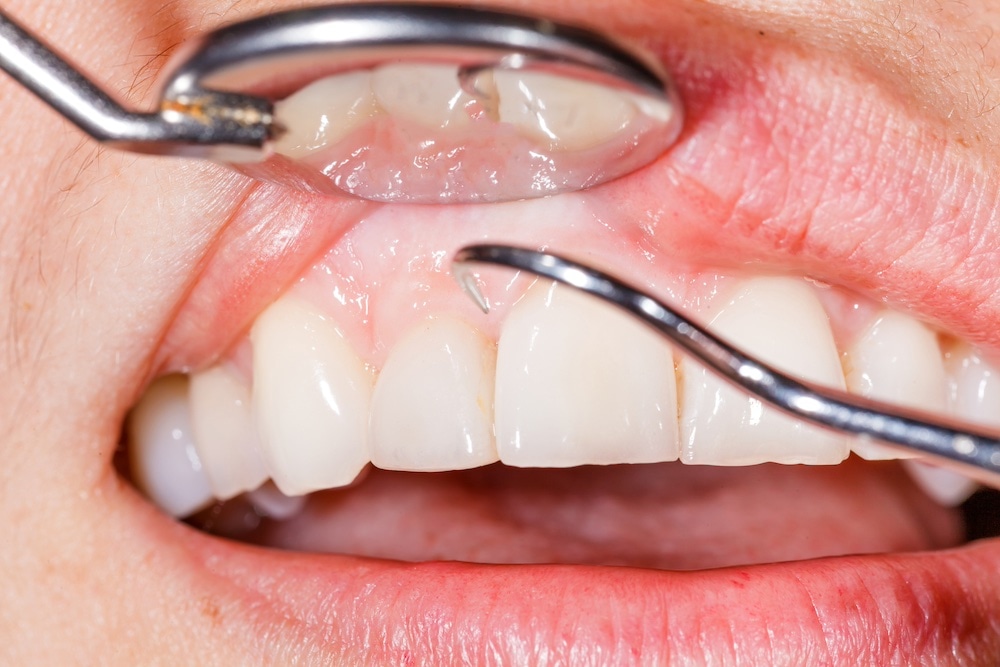
To diagnose periodontitis, a dentist performs a visual exam to look for gum inflammation and uses a periodontal probe to measure pocket depth. X-rays may be taken to check for bone loss. More advanced cases are often referred to a gum disease specialist known as a periodontist.
Periodontitis Treatment

Treatment depends on the stage of the disease. In earlier stages, your dentist may perform scaling and root planing—a deep cleaning that removes plaque, tartar, and bacteria from below the gumline. For moderate and severe cases, pocket reduction surgery may be recommended. This procedure involves gently lifting the gum tissue, cleaning the underlying area, and stitching the gums back into place to prevent further progression.
If you have additional questions about periodontitis and its stages, contact your dentist to discuss personalized treatment options.
Categories
- Conditions
- Cosmetic Dentistry
- Dental Services
- Dental Wellness
- General Dentistry
- Gum Health
- Orthodontics
- Preventive Dentistry
- Restorative Dentistry
- Uncategorized
Best Decision Ever
Walking into Sunbrite Dental was one of the best decisions I’ve ever made. From the very first visit, I could tell this wasn’t just another dental office — it’s a place filled with kind, caring, and talented people who truly love helping others. I was nervous and unsure at first, but everyone there made me feel so welcome and comfortable that my fear slowly turned into trust.

Love this office!
Absolutely love this dentist’s office! The staff is super friendly and helpful from start to finish. Everyone makes you feel welcome the second you walk in, and they’re great about answering questions and making sure you’re comfortable.

Affordable Care
We accept all major credit cards, debit cards, cash and checks. And to make your dental care affordable, we work with most major insurance programs, even if not in a patient’s network. We also partner with various financing options, including:





Schedule Appointment
Call us now at (702) 819-0866 or visit at 560 N Nellis Blvd. Ste E8, Las Vegas, NV 89110