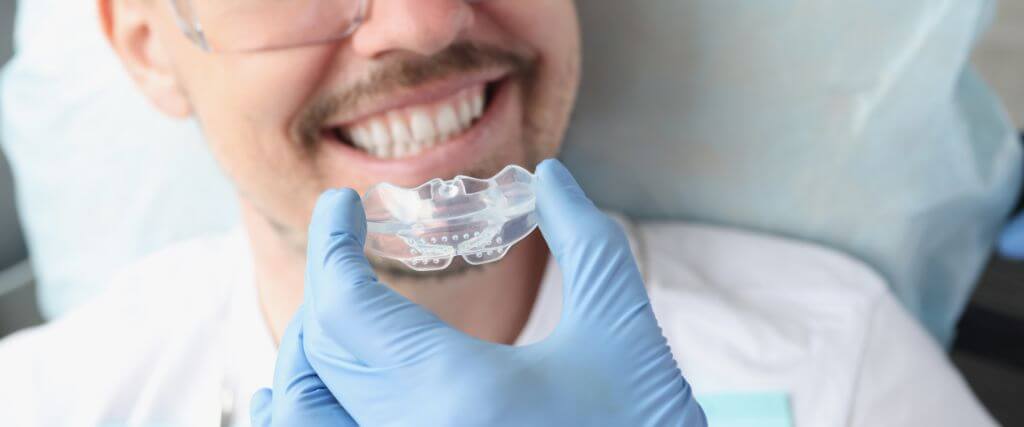
Amelogenesis Imperfecta: Understanding the Challenges of Enamel Formation
November 5, 2025
Imagine your teeth having a powerful shield, protecting your smile and aiding in chewing. This is the power of healthy enamel, the outermost layer of your teeth. However, for individuals with amelogenesis imperfecta (AI), this crucial protection is compromised.
AI is a group of genetic disorders that affect the formation of enamel and present unique challenges for oral health and self-confidence. While different types of AI exist, understanding the intricacies of enamel formation and the available management options can empower individuals to navigate this condition effectively.
Understanding Enamel Formation
Enamel, the hardest substance in the human body, acts as our teeth’s first line of defense. Its primary component, hydroxyapatite crystals, provides remarkable strength and resistance to wear and tear. But how does this remarkable shield come into existence?
Enamel development, also known as amelogenesis, is a fascinating process orchestrated by specialized cells called ameloblasts. These cells first form an intricate scaffold called the enamel organ, which provides the blueprint for enamel growth. Then, amelogenesis progresses through two crucial stages:
- Secretory Stage: Ameloblasts secrete a protein-rich matrix within the enamel organ. This matrix acts as a framework for the next stage.
- Maturation Stage: Minerals, primarily calcium and phosphate, are meticulously deposited within the matrix, gradually transforming it into the hard, mineralized enamel we know.
This intricate process requires precise coordination and can be disrupted by various factors, leading to the development of AI.
Causes and Types of Amelogenesis Imperfecta
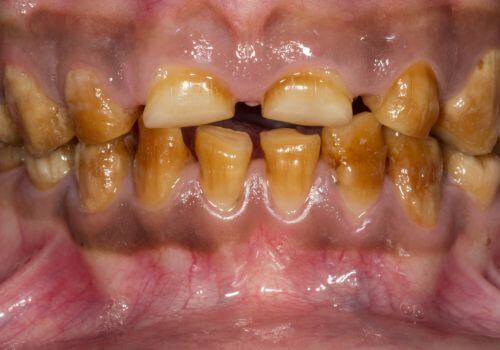
AI stems from genetic mutations affecting the genes responsible for proper enamel formation. These mutations can disrupt the production of crucial proteins or hinder the mineralization process, leading to different types of AI with distinct characteristics.
The types of AI are:
- Hypoplastic AI: Characterized by thin or absent enamel, often resulting in discolored teeth. The teeth may appear pitted or grooved due to uneven development.
- Hypomineralized AI: The enamel thickness is generally normal, but the enamel is weaker and more porous due to insufficient mineralization. This can lead to yellow, brown, or grey discoloration and increased sensitivity to hot, cold, or sweet stimuli.
- Combined AI: Presents a combination of features from both hypoplastic and hypomineralized AI, causing both structural and mineralization defects.
It’s important to note that AI can appear in isolation, solely affecting the teeth, or it can be part of a syndrome causing other health concerns.
Symptoms and Diagnosis
The telltale signs of AI often become apparent during childhood as the primary teeth erupt.
Common symptoms of amelogenesis imperfecta include:
- Discoloration of teeth, ranging from yellow to brown or grey
- Increased sensitivity to hot, cold, or sweet foods and drinks
- Chipped or worn teeth due to weakened enamel
- Difficulty chewing due to compromised tooth structure
- Early tooth loss in severe cases
Only a dental or medical professional can diagnose this condition. If you or your child has any of the symptoms above, schedule an appointment as soon as possible.
Dentists diagnose AI by considering numerous factors, including:
- Clinical Examination: Visual inspection of the teeth, assessing color, shape, and defects.
- Dental History: Reviewing personal and family history for genetic indicators.
- X-rays: To reveal enamel thickness and density, aiding diagnosis and treatment planning.
- Genetic Testing: In some cases, used to confirm the specific type of AI and responsible gene mutation.
Management and Treatment Options for Amelogenesis Imperfecta
Early diagnosis and proactive management are crucial for individuals with AI. While there is no cure, various treatment options can address the different aspects of the condition.
Treatment options for AI include:
- Preventive Measures: Regular checkups, good oral hygiene, and fluoride treatments help prevent decay and strengthen enamel. Limiting sugary and acidic foods offers further protection.
- Restorative Procedures: Depending on severity and type, treatments like bonding, crowns, or veneers can improve both function and aesthetics. In severe cases, full coverage restorations may be necessary.
- Cosmetic Dentistry: Options such as teeth whitening may help address discoloration and boost confidence.
It’s essential for individuals with AI to maintain ongoing dental care and regular checkups to monitor oral health and address emerging issues promptly.
Living with Amelogenesis Imperfecta: Support and Resources

AI can negatively impact self-esteem and quality of life, particularly during childhood and adolescence. However, individuals with AI are not alone. Support groups and resources are available to provide emotional support, connect individuals with others facing similar challenges, and offer valuable information and guidance. These resources can empower individuals and families to navigate the social and emotional aspects of AI and foster a sense of belonging and community.
Conclusion
Amelogenesis imperfecta presents unique challenges for oral health and requires a comprehensive understanding of the condition, its causes, and available management options. With early diagnosis, a proactive approach, and access to necessary resources, individuals with AI can effectively manage their condition and maintain a healthy, confident smile. Continued advancements in dental research and treatment offer hope for improved outcomes and future breakthroughs.
If you suspect that you or your child may be suffering from amelogenesis imperfecta, don’t wait for the problem to worsen. Contact your dentist right away to schedule an appointment.
Categories
- Conditions
- Cosmetic Dentistry
- Dental Services
- Dental Wellness
- General Dentistry
- Gum Health
- Orthodontics
- Preventive Dentistry
- Restorative Dentistry
- Uncategorized
Best Decision Ever
Walking into Sunbrite Dental was one of the best decisions I’ve ever made. From the very first visit, I could tell this wasn’t just another dental office — it’s a place filled with kind, caring, and talented people who truly love helping others. I was nervous and unsure at first, but everyone there made me feel so welcome and comfortable that my fear slowly turned into trust.

Love this office!
Absolutely love this dentist’s office! The staff is super friendly and helpful from start to finish. Everyone makes you feel welcome the second you walk in, and they’re great about answering questions and making sure you’re comfortable.

Affordable Care
We accept all major credit cards, debit cards, cash and checks. And to make your dental care affordable, we work with most major insurance programs, even if not in a patient’s network. We also partner with various financing options, including:





Schedule Appointment
Call us now at (702) 819-0866 or visit at 560 N Nellis Blvd. Ste E8, Las Vegas, NV 89110